

The DNC Needs A Dean Redux

The DNC Needs A Dean Redux

A couple of commentaries appeared in the media this week from two divergent factions in the party, both in agreement.  Governor Terry McAuliffe and Howard Dean both went public with rather extensive statements that the DNC needs rebuilding.  We must have messaging on our accomplishments and what we stand for. McAuliffe spoke quite critically of the failure of our National Party to address the challenges of our struggling middle class and the need for major economic reforms.  This from a guy who I always viewed as a brilliant fund raiser but shallow thinker.   He did leave our party in great financial shape. Maybe I was wrong about the shallowness. I think he really understands the failed leadership of our Party here in a time of our most desperate need for economic reform.  He also spoke of our President's brilliant record on so many fronts which were ignored by the DNC's non-existent messaging program. Adding insult to injury, the clueless  but very well insured Democratic leader Chuck Schumer came this week with absurd commentary that it was a huge mistake for Congressional Democrats to undertake healthcare reform  in Obama's first term.  In a clearly uncoordinated messaging effort of his own without collaboration with the White House or DNC, he said we should have focused on the economy and not done the Affordable Care Act.  Is our Federal Government a one trick pony, incapable of multi-tasking?
Power vs. Authority

Power vs. Authority

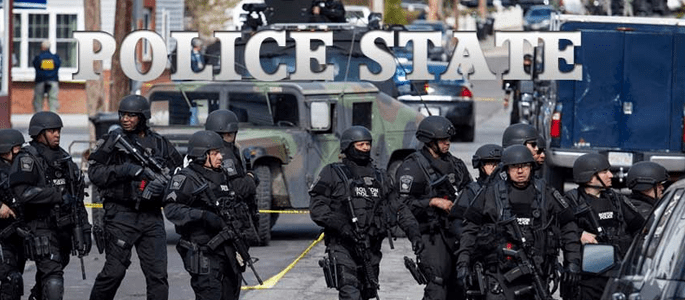
I teach my organizational behavior students that, in their relationships, there is a difference between power and authority. Power is the ability to influence behavior, while authority is the right to influence behavior. Authority is derived from some level of mutual agreement within the relationship. In America we give police departments the authority to pull us over if we appear to be speeding. We grant that lifeguards on the beach, and cops on the highways enforcing the rules that we've established redounds to the general benefit of society. Social scientists call the extent to which we accept authority as legitimate as the "zone of indifference." When a cop, a lifeguard, or even our fast food managers go beyond what we perceive as their authority, we seem to know it intuitively. We all have a highly tuned sense of our personal zone of indifference. Unlike authority, power does not depend on a relationship. The lunchroom bully can influence behavior, but there is no consent given or implied when he takes the weaker kid's lunch money. Power is as power does. The bully has the ability to take the lunch money based on his strength, so he takes it. Now we have a class of citizens, police, who have abused their authority and have only power left. One cop murdering an unarmed kid and getting away with it doesn't simply diminish his own authority. That injustice drains authority out of the entire system. And once gone - authority does not come back. Once the mutual agreement that we've entered into in order to establish lines of civil authority has been broken, power is the tool remaining in the state's tool box. We call that a police state.