Mark Volman, who co-founded the ’60s pop band the Turtles with his friend Howard Kaylan, died in Nashville Friday at age 78. He had been diagnosed with Lewy body dementia several years ago but was still performing with a lineup of the Turtles, with Ron Dante of “Sugar, Sugar” fame replacing Kaylan, whose health problems prompted his retirement in 2018.
The group is best remembered for “Happy Together,” a Billboard No. 1 in 1967, one of a string of pop hits they released before breaking up in 1970. Because their contracts wouldn’t allow them to use their own names in any other musical capacity, they became the vocal duo of the Florescent Leech, shortened to Flo (Volman), and Eddie (Kaplan), first with Frank Zappa and later on their own. From the ’70s through the ’90s they provided backing vocals for dozens of artists, starting with T. Rex and including Alice Cooper, Stephen Stills, Blondie, the Ramones – you get the idea.
Volman and Kaylan met in high school, where both were tenors in the school choir. They shared vocal duties, but the better-looking Kaylan was considered the lead singer, with Volman providing high harmonies and, as this video demonstrates, comic relief.

The comic part of their stage show took a larger role when they played with Zappa, but after the iconoclastic bandleader seriously injured his leg in a fall from stage they had to branch out on their own. This 1975 TV performance on “Soundstage,” hosted by Martin Mull, gives you a good idea of their act.

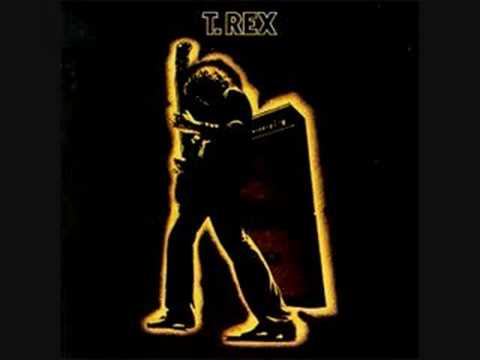
They sang backing vocals on such hits as “Hungry Heart” by Bruce Springsteen and Marc Bolan’s only T. Rex hit in the U.S., “Bang a Gong (Get It On),” notable because Volman’s high falsetto stands out on the extraneous “get it on” at 3:19.
They also sang on a Steely Dan song – a demo version of “Everyone’s Gone to the Movies” recorded before the sessions for their debut LP. Before settling on David Palmer as a vocalist on that album, Donald Fagen and Walter Becker offered the job to Kaylan. He turned it down because they didn’t have a role for Volman. This arrangement on this version, released decades later on the box set “Citizen Steely Dan,” is radically different from the one on “Katy Lied.”
