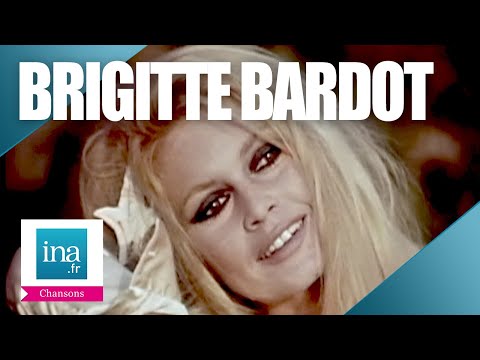
Brigitte Bardot, who died Sunday at 91, owed her sex kitten image to the movies she made in the ’50s and ’60s, but her ambition, and the monetization of her erotic appeal, also extended to music.
She wasn’t much of a singer, but after “Sidonie,” a song she recorded for the soundtrack of a 1962 film, made the charts as a single, she got a recording contract. Her first LP appeared the next year, packaged in a gatefold format that, naturally, included several pages of photographs. It also included the song she considered her favorite, “La Madrague,” inspired by the eponymous property she bought in St. Tropez and lived in until her death.
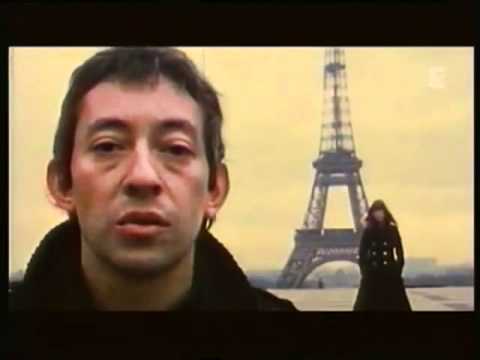
She reached the pinnacle of her recording career when she hooked up with Serge Gainsbourg in 1967. Though still married to German playboy Gunter Sachs, Gainsbourg asked her out. It went badly, so she told him he could make it up to her by writing “the most beautiful love song he could imagine.” Given that it was Serge Gainsbourg, one of the century’s great horndogs, he came up with “Je t’aime… moi non plus” (“I love you … me neither”)*.
They recorded it in a small sound booth, and though the session engineer said nothing more than “heavy petting” went on, many listeners believed otherwise. But very few got to hear Bardot’s version. It was aired once on French radio, and when Sachs heard about it he threatened to sue. Bardot pleaded with Gainsbourg not to release it, and he relented.
Two years later, his affair with Bardot over, Gainsbourg rerecorded it with his new girlfriend, Jane Birkin. It quickly became an international sensation. The BBC banned it, which helped boost it to No. 1 on the UK singles chart (that the single was sold in a sleeve that read “Not to be sold to anyone under 21” didn’t hurt). The Vatican condemned it, naturally – virgin births are the only sort they approve of – leading Gainsbourg to call the Pope his best press agent. It didn’t sell nearly so well in the U.S. because many radio stations refused to play it; others would only air it late at night.
Bardot came to regret missing out on a big hit – the single sold 6 million copies worldwide – so with Gainsbourg’s approval she released her version in 1986.

Gainsbourg asked Birkin to sing her part an octave higher than Bardot had. Compared to BB’s huskier delivery, Birkin sounds like a child. That’s ironic, in a way. Her first husband, svengali-like film director Roger Vadim, started his relationship with Bardot when she was just 15 – about the age of many Jeffrey Epstein victims.
*The inspiration for the title came from a comment by Salvador Dali. Asked the difference between himself and Pablo Picasso, Dali replied, “Picasso is Spanish, so am I. Picasso is a genius, so am I. Picasso is a communist, neither am I.”