Everyone who has paid attention to politics since Bill Clinton knows the name of Frank Luntz. He is a GOP pollster whose specialty is messaging. As in finding the words that either make it easier for people to emotionally engage on a position. Key to this effort is that truth or accuracy or anything near it is not crucial. Nor is it crucial to use language to educate people about the terms of the debate. Putting up slogans — often misleading as to their actual position is the game.
Yesterday morning I had one of those rare chances to listen to Al Mascitti for abit in my office. And who calls in? Mr. Shallow Bench who is telling Al that Luntz has done some amazing polling on what a health care plan needs to look like. This amazes me, because Luntz doesn’t do this kind of polling, so I went back to look at the Luntz findings, and it is still not a real poll on what people want or even their attitudes on an issue. These polls are designed to produce honest-to-god Talking Points. So take a good look at the Talking Points you’ll be hearing ad-infinitum from repubs for the next few months (and have been hearing already):
(1) Humanize your approach. Abandon and exile ALL references to the “healthcare system.” From now on, healthcare is about people. Before you speak, think of the three components of tone that matter most: Individualize. Personalize. Humanize.
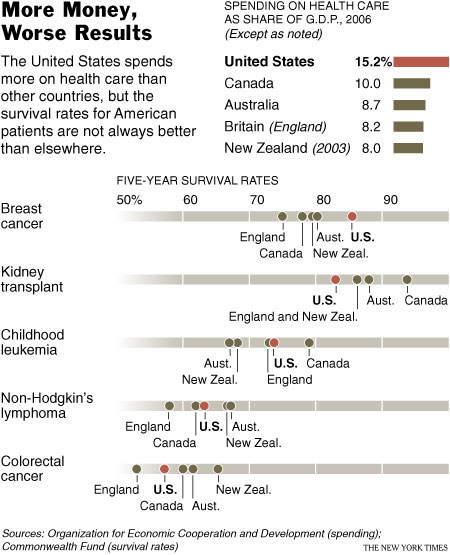
(2) Acknowledge the “crisis” or suffer the consequences. If you say there is no healthcare crisis, you give your listener permission to ignore everything else you say. It is a credibility killer for most Americans. A better approach is to define the crisis in your terms. “If you’re one of the millions who can’t afford healthcare, it is a crisis.” Better yet, “If some bureaucrat puts himself between you and your doctor, denying you exactly what you need, that’s a crisis.” And the best: “If you have to wait weeks for tests and months for treatment, that’s a healthcare crisis.”

 By
26 Comments
By
26 Comments